-
Why Moving Overseas Starts Long Before You Pack Your Bags
For many young South Africans, the idea of working or living overseas is no longer just a dream. Whether it’s teaching English in Asia, working on a cruise ship, joining a company in Europe, studying abroad, or starting a new life in Australia or Canada, international opportunities have never been more accessible.
What many people don’t realise is that the journey often begins with paperwork, not passports.
Long before you board a flight, you’ll likely need official Department of Home Affairs (DHA) certificates and, in some cases, documents prepared or certified by a notary public. These requirements can take time to complete, so getting organised early can save you weeks of unnecessary stress.
Your Documents Are Part of Your Application
When another country issues a visa, work permit, or residency permit, they need to verify exactly who you are and whether the information you’ve provided is genuine. That means relying on official South African documents, not photocopies or informal records.
Depending on where you’re going and why you’re travelling, you may be asked to provide:
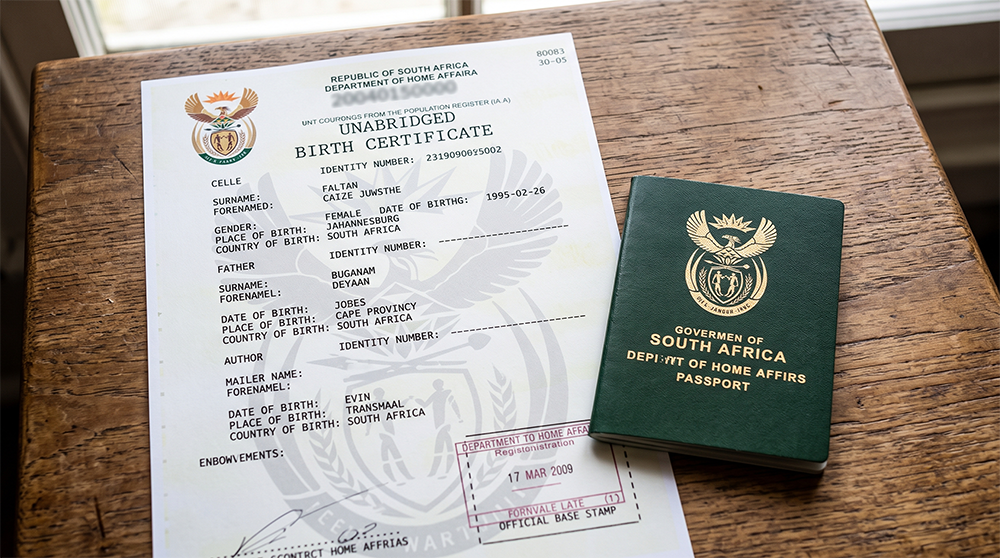
- An unabridged birth certificate
- A marriage certificate
- A death certificate for estate or family-related matters
- A letter of no impediment
- Other official Department of Home Affairs certificates
Many applicants only discover these requirements after accepting a job offer or receiving a university acceptance letter. By then, every day matters.

Why a Notary Public May Be Part of the Process
If you’ve never dealt with international documentation before, you may not know what a notary public actually does.
A notary public is a specially qualified attorney who prepares, authenticates and certifies documents so they can be recognised by authorities in other countries.
You might need a notary to:
- Certify copies of important documents
- Prepare sworn declarations or affidavits
- Authenticate signatures
- Certify academic qualifications
- Notarise consent letters
- Prepare documents for Apostille or legalisation
Many foreign governments, employers and educational institutions won’t accept certain documents unless they’ve been properly notarised first.
Common Situations Where Young People Need These Documents
Starting Your First Job Overseas
Whether you’re heading to Dubai, Japan, the UK or a cruise ship contract, employers often ask for official identity documents before they can finalise your employment.
Having everything ready means you can accept opportunities without unnecessary delays.
Studying Abroad
Universities frequently request certified or notarised copies of your academic records and identity documents during the admissions process.
The earlier you gather these documents, the less pressure you’ll face when application deadlines approach.
Digital Nomad Opportunities
Remote work has opened the door to living almost anywhere in the world. Many digital nomad visa programmes require applicants to submit official documentation alongside proof of employment and financial stability.
Moving Permanently
If you’re emigrating, your paperwork quickly becomes one of the biggest parts of the process.
Birth certificates, marriage certificates, police clearances and notarised documents are commonly required before immigration authorities will approve your application.
Relocating With Children
Families moving abroad often need additional documentation for minors, including unabridged birth certificates and, depending on the circumstances, notarised parental consent documents.
Every destination has its own rules, which makes early preparation even more valuable.
Don’t Wait Until You Need Them
One of the most common mistakes people make is waiting until their visa application has already started before collecting their documents.
Unfortunately, that’s also when delays become stressful.
A much better approach is to prepare ahead by obtaining:
- Department of Home Affairs certificates
- A valid passport
- Police clearance certificates
- Any required notarised documents
- Apostilles or other international authentication where necessary
Being proactive gives you the freedom to move quickly when opportunities arise.
Make the Process Simpler
Navigating Department of Home Affairs procedures and understanding international document requirements isn’t always straightforward, especially if it’s your first time dealing with overseas applications.
Working with experienced professionals can remove much of the uncertainty. From obtaining official DHA certificates to arranging notarisation and preparing documents for international use, expert guidance helps ensure everything is completed correctly the first time.
Instead of spending hours trying to understand different government requirements, you can focus on preparing for the exciting adventure ahead.
Your Future Starts With the Right Paperwork
Moving overseas is about far more than booking flights or finding accommodation. Behind every successful visa application is a collection of properly prepared documents that prove your identity, qualifications and legal status.
Getting your Department of Home Affairs certificates early and arranging any necessary notarisation before deadlines arrive can make the entire process smoother and far less stressful.
The opportunities waiting overseas are exciting. Having your paperwork ready means you’ll be in the best position to say “yes” when the right one comes along.
You May Also Like

7 Inspiring Instagram Accounts for Teens to Follow